.png?h=455&iar=0&w=1182&rev=d74e300da7ba4627bde32b9c768419b5)


Resource Article
Tips for Choosing the Right Replacement Door for Your Home
Doors are more than just entryways into our homes; they are the guardians of our comfort and security. They shield us from the harsh elements and intruders, all while making a statement about our style and hospitality. A beautifully designed door not only enhances curb appeal, but also sets the tone for guests, creating an inviting first impression. However, like any other part of your home, doors have a lifespan, and choosing the right replacement door is crucial in maintaining the integrity and charm of your abode.
Replacing doors can often be a project that homeowners overlook or put on the back burner. They don’t know where to start or what to consider when looking for a replacement door. If that sounds familiar, here’s how to know when it’s time to make a change, and choose the right replacement door for your home.
How Often Should Doors Be Replaced?
While doors are built to last, they don't last forever. The lifespan of a door depends on several factors, including material quality, exposure to the elements, and frequency of use. Typically, exterior doors that are well-maintained might need a replacement every 20 to 30 years. However, if you notice signs of wear and tear, it might be time to consider a replacement sooner.
Here are some signs that you need to replace your doors:
Door is difficult to open or close
Entry doors may squeak and stick while patio doors get stuck or grind along their track, making them difficult to open or close. This could indicate a sign of warped frames, or deteriorating parts. These issues not only make daily operations frustrating, but can also compromise the security of your home.
Gaps between door and frame
Visible gaps between the door and frame are a sure sign that you need a replacement. The same goes for gaps between windowpanes and the door frame, or cracks in the glass. Gaps indicate the door has warped or shrunk over time and should be replaced.
Drafts and air leaks: letting heat out and cold air in
If you feel air moving through closed doors, it indicates inadequate sealing and insulation. Drafts can significantly affect your home’s temperature control and energy consumption, signaling that it’s time for a door replacement. Not sure if your doors are contributing to poor energy efficiency in your home? Start with a professional home energy assessment to evaluate your windows, doors, insulation, HVAC equipment, lighting, appliances, and electronic equipment.
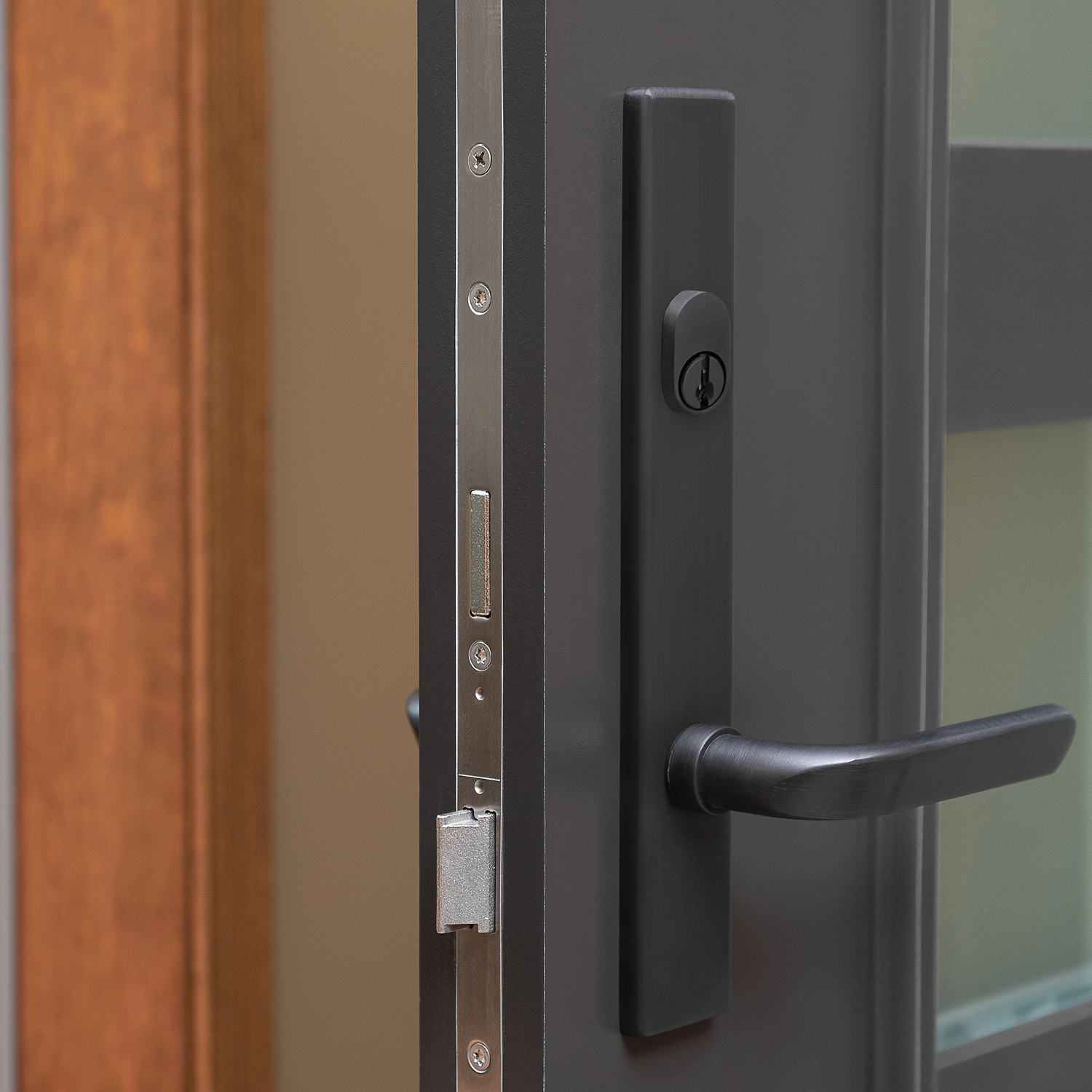
Our five-point locking system provides an added level of security for today's homes.
Water coming in under the door or along its sides during heavy rain
When water seeps into your home from your entry or patio door, it’s another sign that the door no longer fits properly. Gaps at the bottom of a door allow insects and larger pests to enter your home. Water can also damage the door itself, causing it to warp or crack.
Outdated door design and doesn’t match the style of your home
Sometimes the issue isn’t functionality, but aesthetics. An outdated door can diminish the overall appeal of your home, especially if you’re updating other elements of your facade. Replacing an old door can rejuvenate your home’s exterior and increase curb appeal.
A recent article in Southern Living called out 14 things that can make your home look dated and minimize its curb appeal. Iron doors and those with leaded glass are at the top of the list. Dark doors and shutters can also contribute to a dated look.
Designer Liz Marie of White Cottage Farm remarks on her remodeling decisions for her farmhouse. “I love French doors because they give off this classic cottage and French country style. This room already had a ton of light from two sliders with a side light, and I wanted to keep as much light in this space as possible.” Maintaining a consistent look outside and in, and upgrading to lighter, brighter colors will keep your home looking fresh.
Door is dented or damaged and can’t be refinished to improve its appearance
Sometimes, all it takes is a fresh coat of paint or stain to give an old door new life. But physical damage, such as cracks, dents, or holes, not only looks unsightly, but can also weaken the door’s structure and security. Replacing a tired, worn-looking door is better than a quick, cosmetic fix.
Which Types of Doors Need to Be Replaced?
Over time—especially if you’re in your house for many years—you may have to replace your doors. Like windows, siding, and roofing material, doors take a beating from the sun, wind, rain, and daily use. Fortunately, you have many choices when it comes to replacement doors.
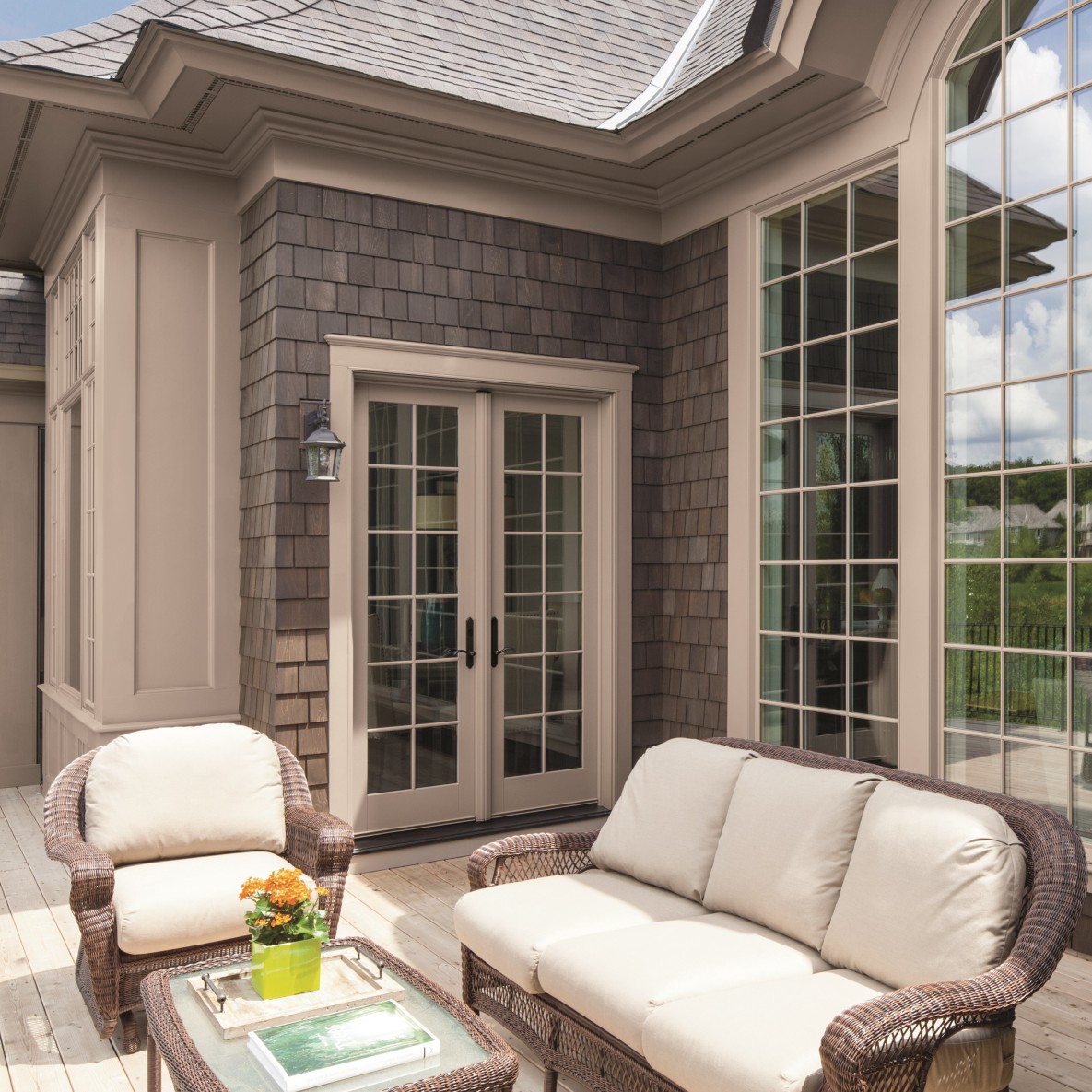
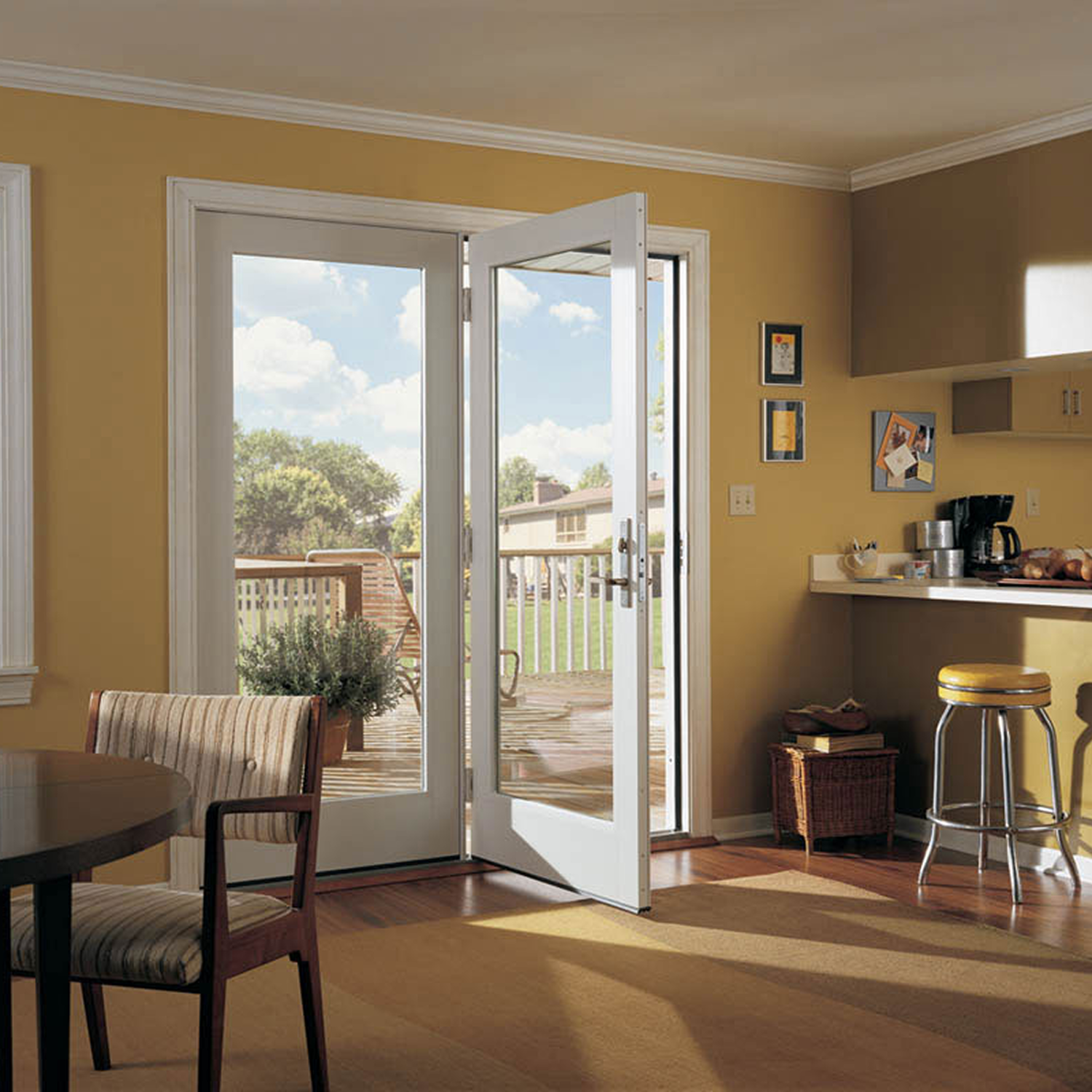
What are the differences between replacement doors?
The main differences from one door to the next are style and materials. If you’re interested in moving from one door style to another—say from a patio door to a double entry door—there may be structural issues to consider. A trained door replacement professional can help you better understand your options when making a significant change to door style.
The other big difference between replacement doors is the material from which they are constructed.
- Steel doors are a popular choice for homeowners wanting enhanced security and modern good looks.
- Wood doors blend seamlessly with classic architecture and allow you to customize with color or stain to suit the look and feel of your home.
- Fiberglass doors are low maintenance, energy efficient, and built to last. Renewal by Andersen Ensemble® entry doors offer the best of all three options, made of a Fibrex® composite core and durable fiberglass exterior with proprietary protective coating, and available in a variety of attractive finishes.
Which Type of Replacement Door Is Right for Your Home?
When it comes to renovating your home, selecting the right type of replacement door is a decision that combines aesthetics, functionality, and security. Whether you're updating your patio with a new door that offers a seamless transition to the outdoors, or choosing a sturdy and stylish entry door, each option plays a crucial role in defining the character and efficiency of your home.
Patio door replacement
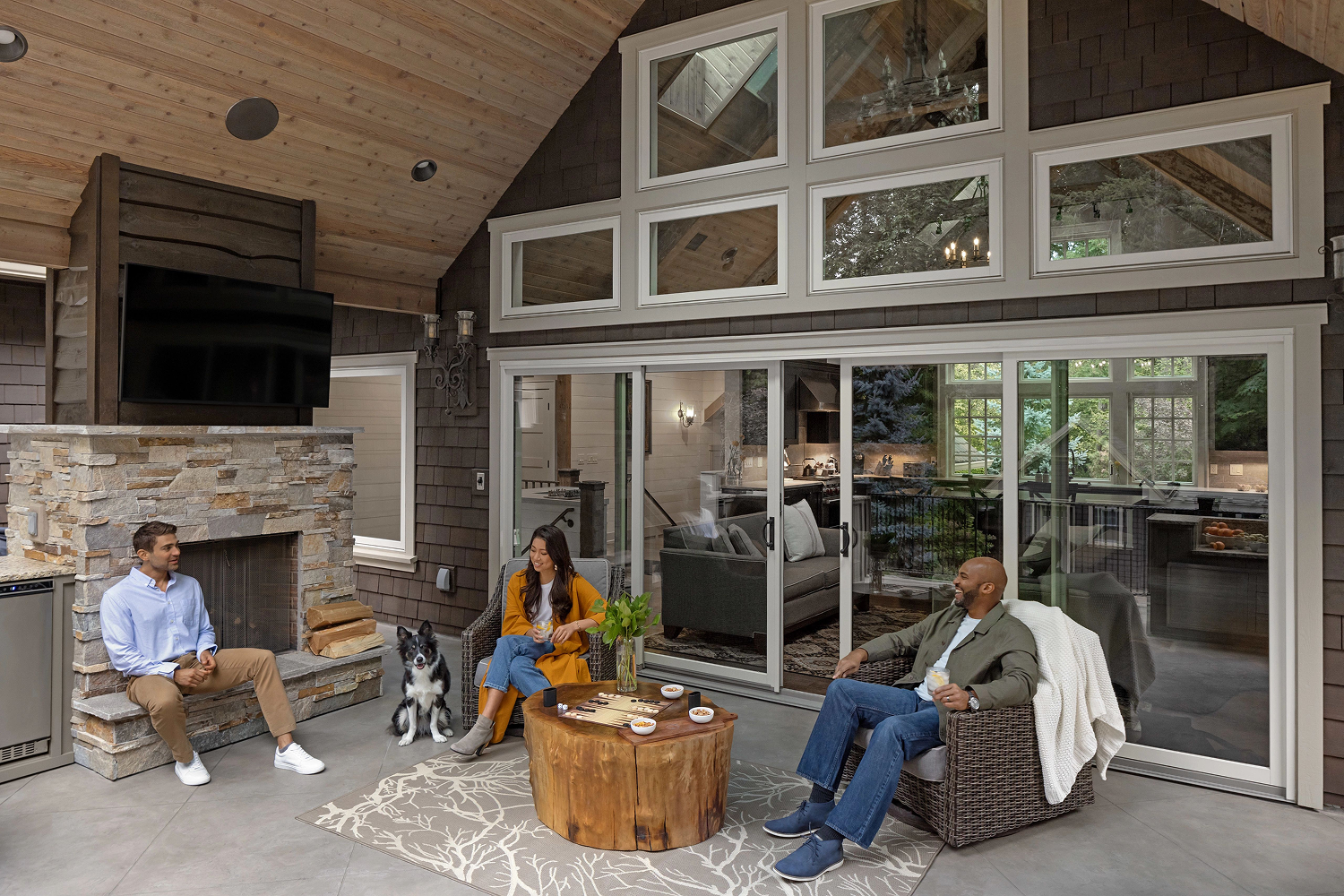
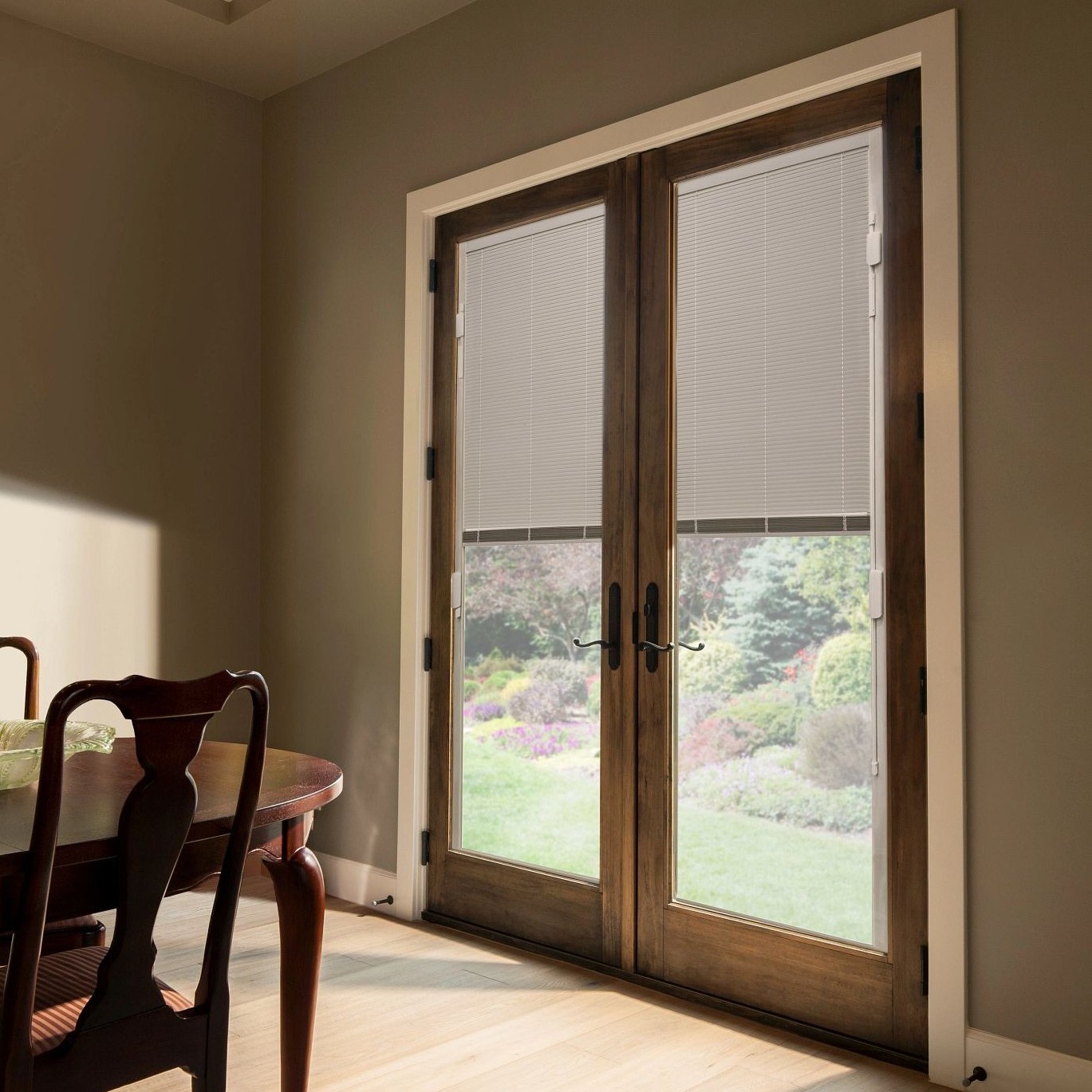
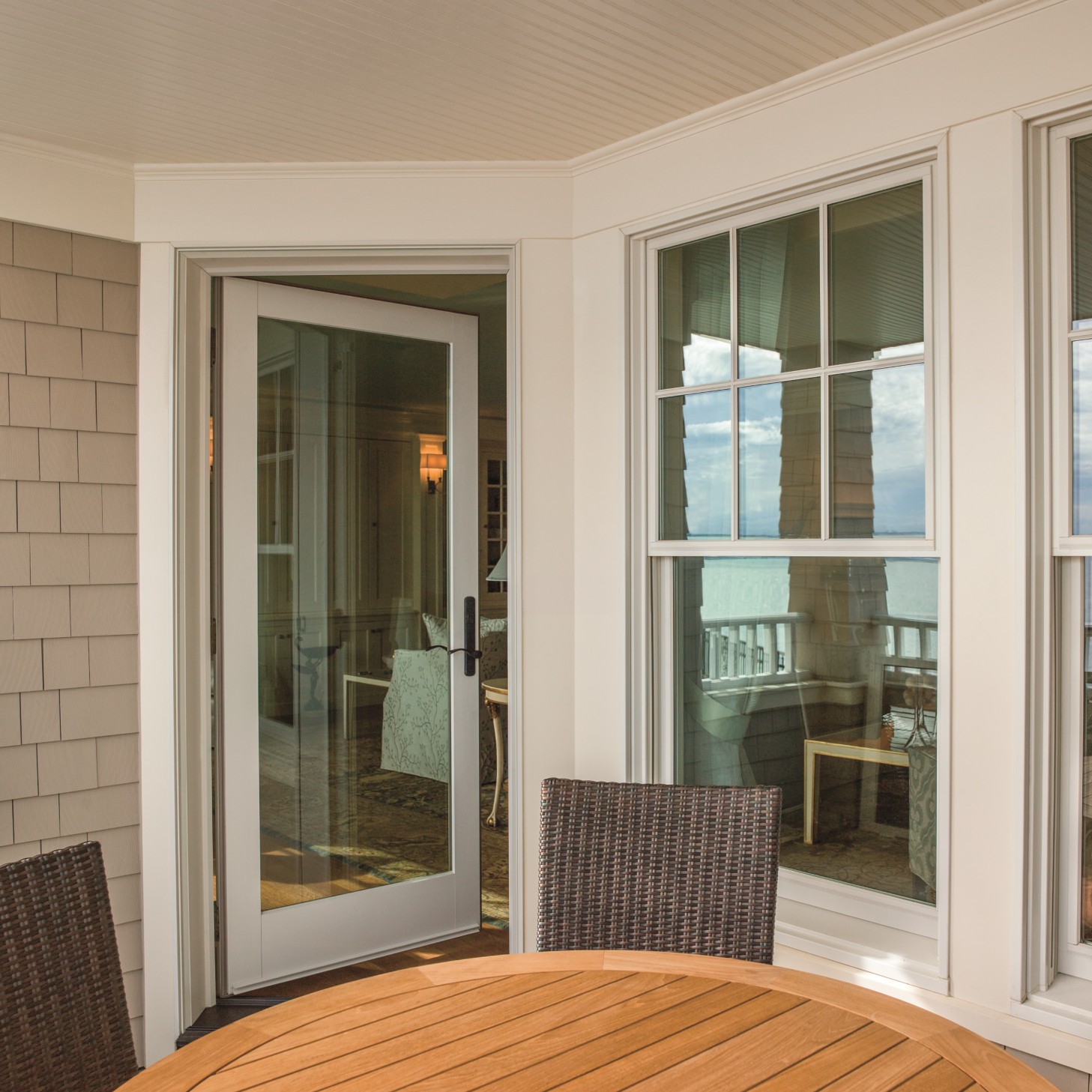
Patio doors are essential for blending indoor and outdoor spaces, offering both functionality and aesthetic appeal. Two popular types of patio doors are gliding patio doors and French doors, each serving distinct purposes and styles. Gliding patio doors, also known as sliding doors, are ideal for areas with limited space, since they open and close horizontally without requiring extra room for the door to swing open. This makes them perfect for balconies and smaller patios, where maximizing space is crucial. They often provide a contemporary look and can be designed with large panes of glass to allow for unobstructed views and natural light.
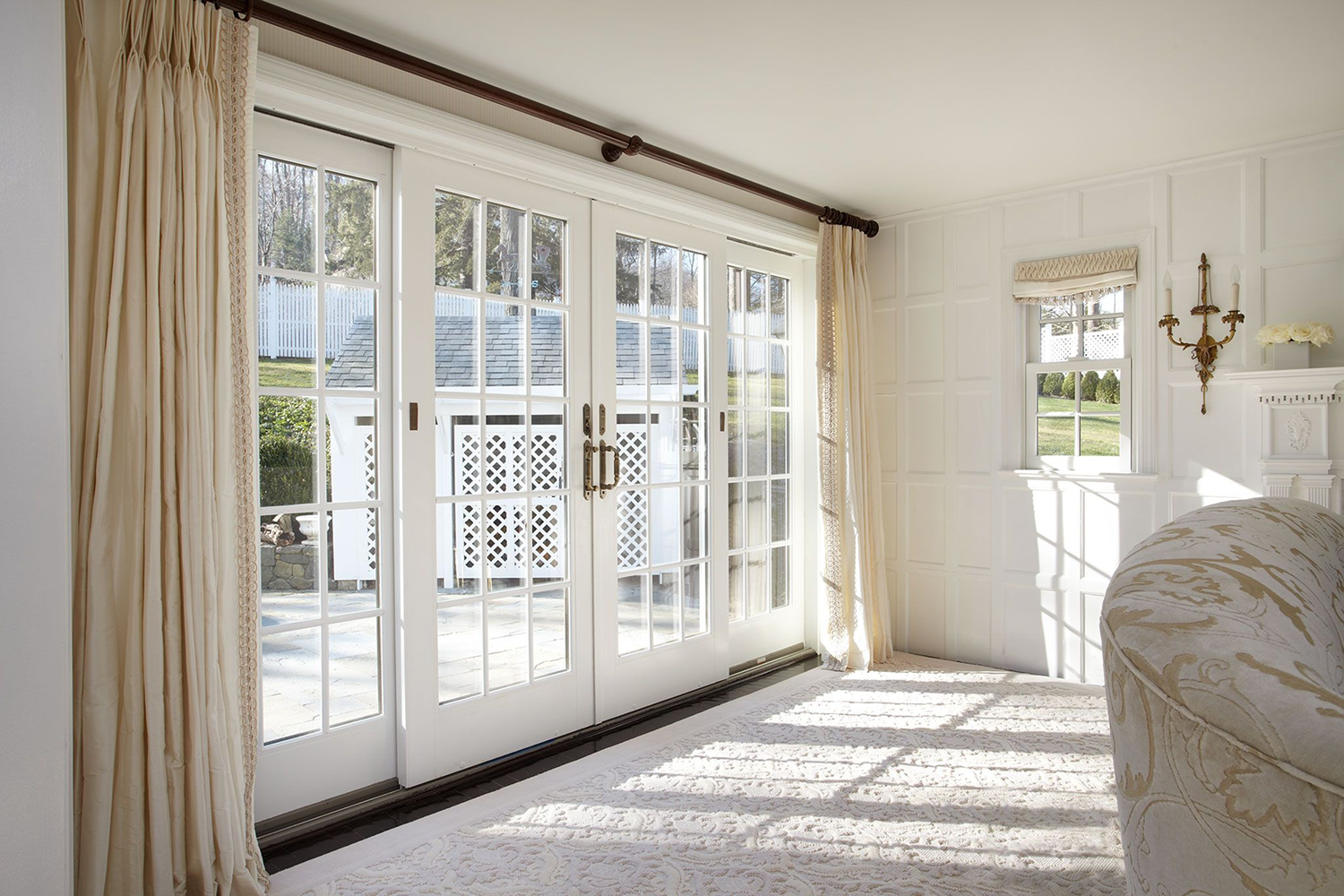
On the other hand, French doors open outward or inward instead of sliding, featuring a more traditional appearance that suits classic architectural styles. They are characterized by their double-door setup, which can be an elegant addition to any home, enhancing the visual connection between indoor and outdoor environments. French doors are particularly beneficial in larger spaces where the swing of the doors can be accommodated. When choosing patio doors, it's important to consider the door's energy efficiency, security features, and durability of materials, as well as how the door's style meshes with the overall aesthetic of your home.
Renewal by Andersen’s offering of Andersen® patio doors come in several styles that you can customize to suit your preference and your home’s personality. Get inspired and see patio door replacement options here.
Which Replacement Door Is Right for Your Home
The Timeless & Classic Traditional French Patio Door
Front entry door replacement
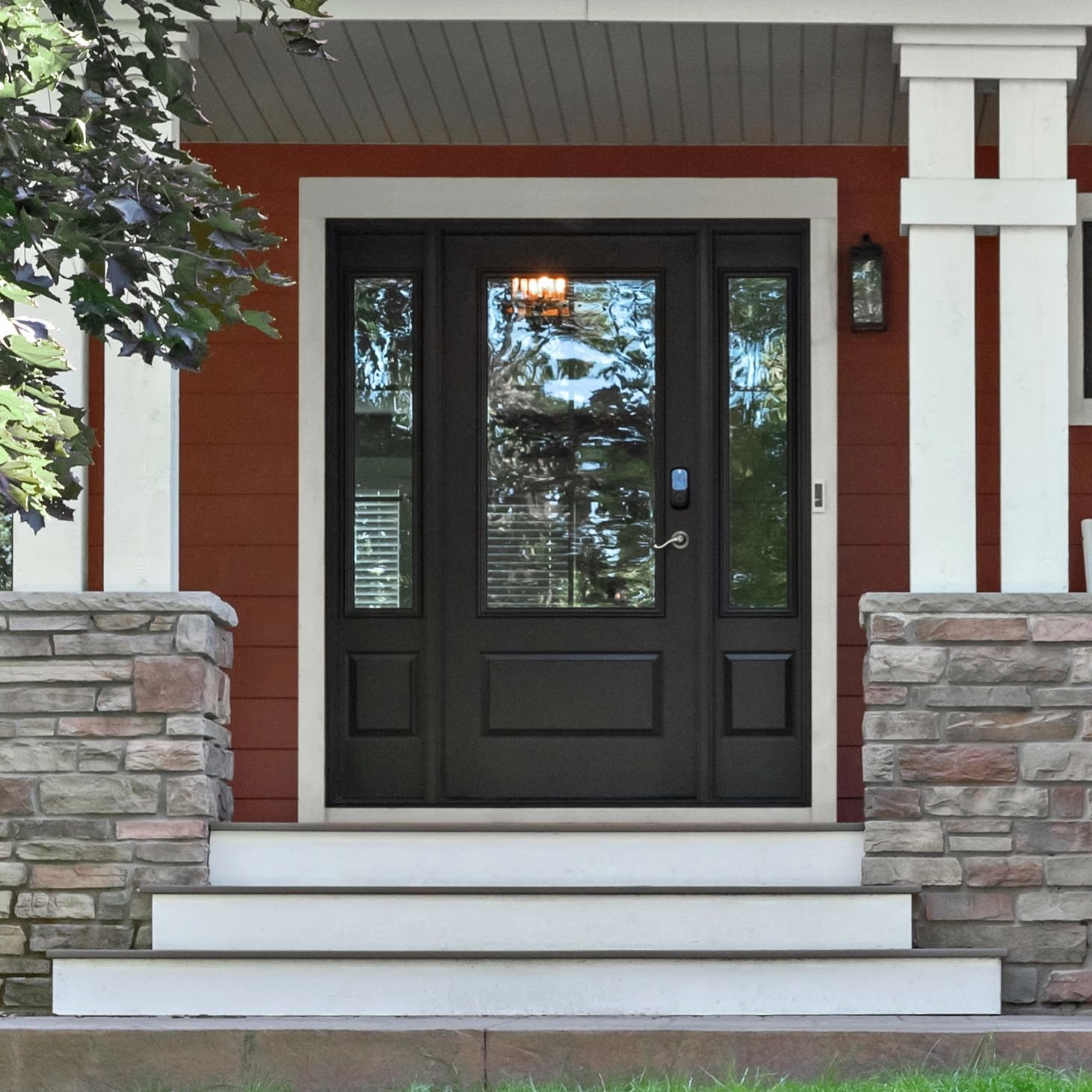
The entry door of a home is not only the first impression visitors get, but also a critical component for security, energy efficiency, and noise reduction. When selecting a new entry door, homeowners should consider materials that offer durability and security.
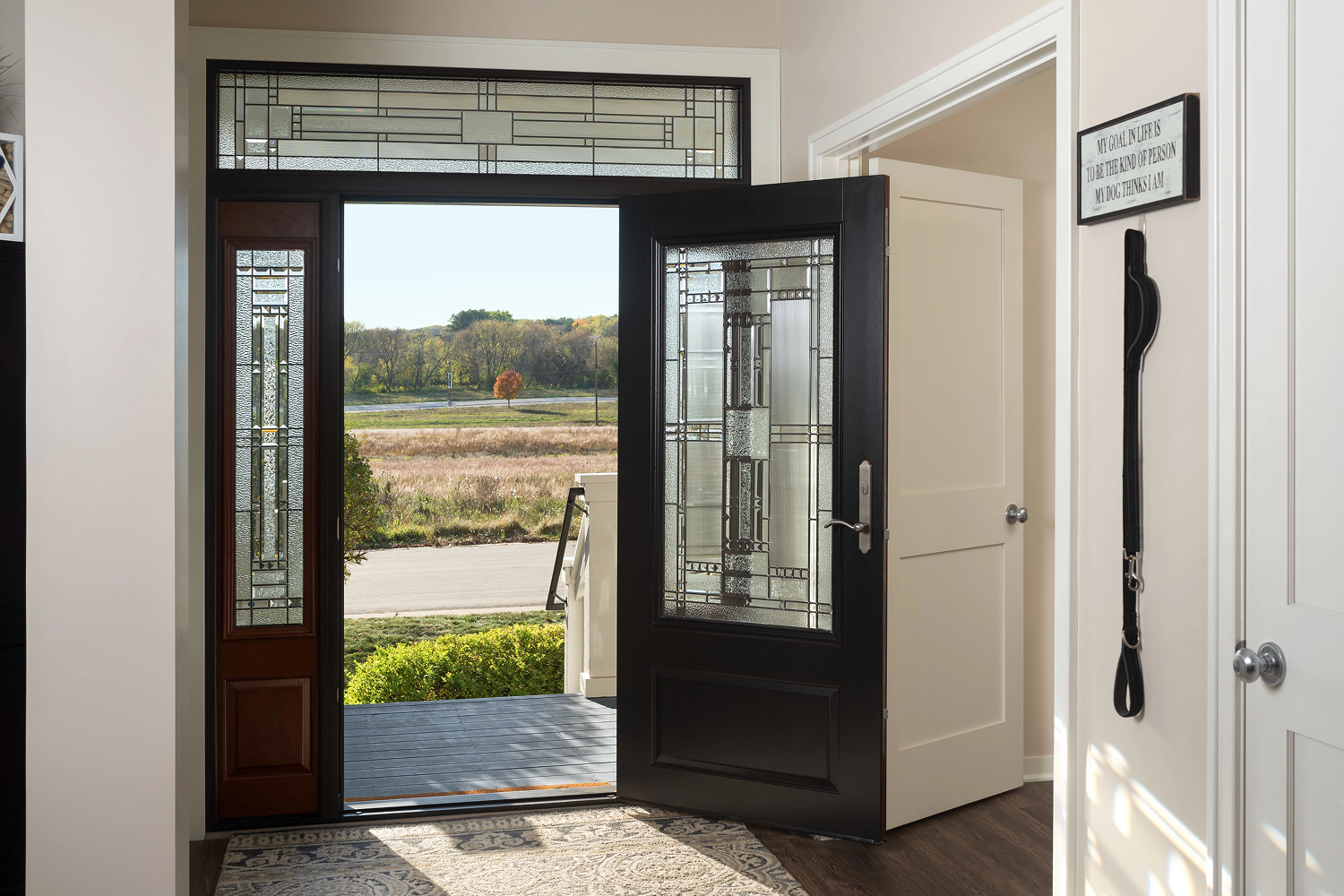
Need to replace your front door? Find single entry doors—with and without sidelights—and double entry doors that can be customized to your liking in a variety of finishes and complementary hardware choices.
Note that not all entry door styles may be available in all parts of the country.
Need inspiration for your entry door?
Our team of Brand Ambassadors have created curated collections reflecting their creativity and real-world experience, blending timeless styles with modern functionality to suit any home.
What to Look for in a Replacement Door
Replacing your door is a significant investment in your home, enhancing both its appearance and functionality. To make sure this investment is worthwhile, it's essential to consider several key factors that contribute to the quality and performance of your new door. From materials and design to energy efficiency and security features, choosing the right door involves careful consideration. Here’s what you should look for to ensure you select a quality door that meets your needs and complements your home perfectly.
Performance
Performance should be at the top of your list when selecting a replacement door. Key performance indicators include energy efficiency, weather resistance, and durability. An energy-efficient door can significantly reduce your heating and cooling costs by minimizing drafts and keeping your home’s temperature stable.
Weather resistance is another crucial factor. A good door should withstand the elements, from heavy rain to snow to intense sun and wind. Fiberglass doors are known for excellent weather resistance and low maintenance requirements. Durability is equally important. You want a door that will withstand the elements and continue to function well without frequent repairs.
For example, Renewal by Andersen’s exclusive Fibrex® material plus fiberglass dual-composite door frame is incredibly durable and will never rot.* The tough, scratch-resistant door panel is made of reinforced fiberglass. And the door sill? It’s just as durable, constructed of aluminum bonded to an impact-resistant Fibrex composite material threshold that can withstand years of kids trekking in and out of the house.
Safety features
Safety is paramount when selecting a replacement door. A sturdy door frame and quality locks are the first line of defense against potential intruders. For entry doors, consider materials that are resistant to force and tampering. Features like multi-point locks, deadbolts, and reinforced strike plates can enhance security. Additionally, integrating smart lock technology can offer both convenience and an added layer of security, allowing doors to be locked and monitored remotely. For patio doors, look for shatter-resistant glass and robust locking mechanisms. Always make sure the door’s design does not compromise on safety for aesthetics.
The Door Replacement Process, Step by Step
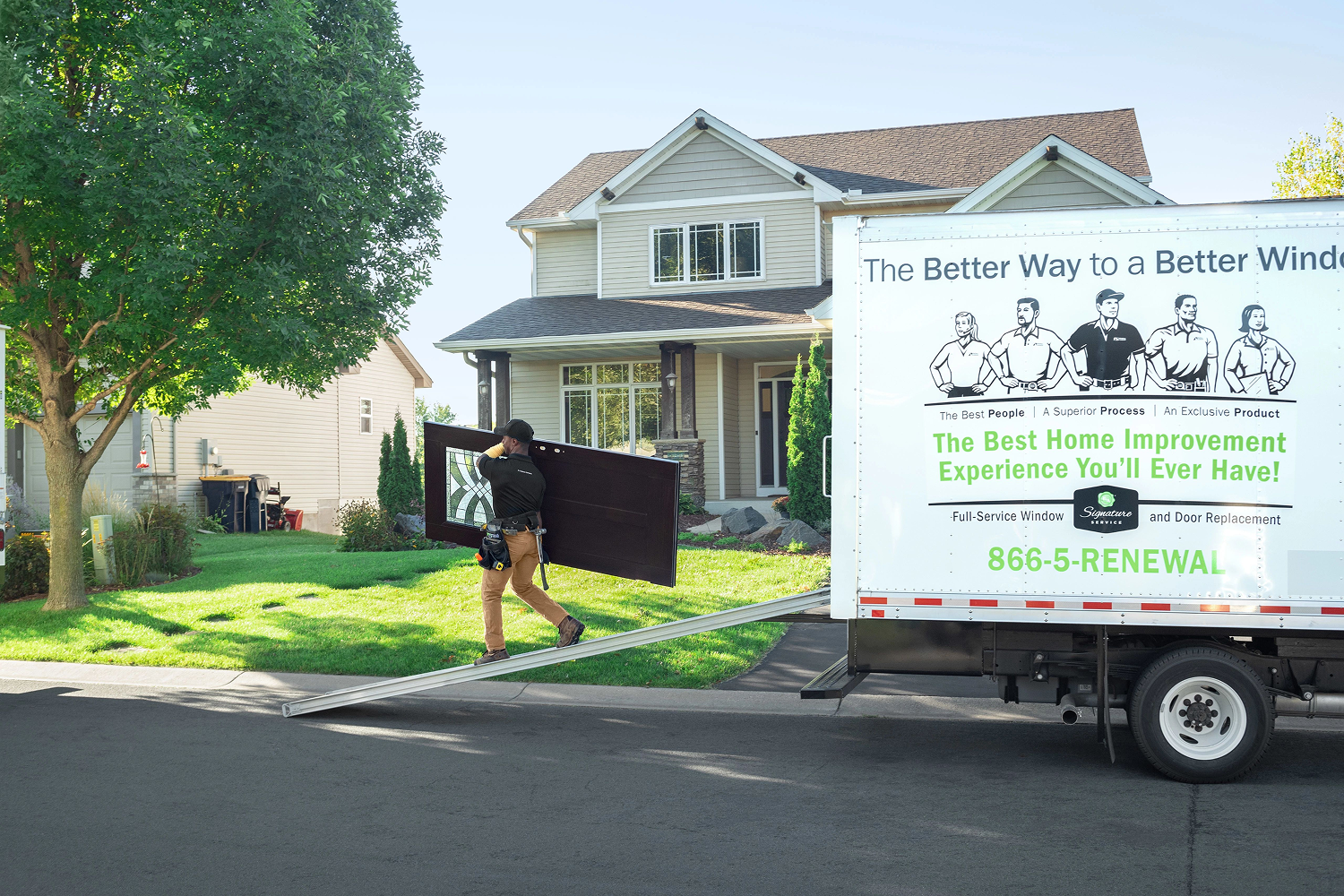
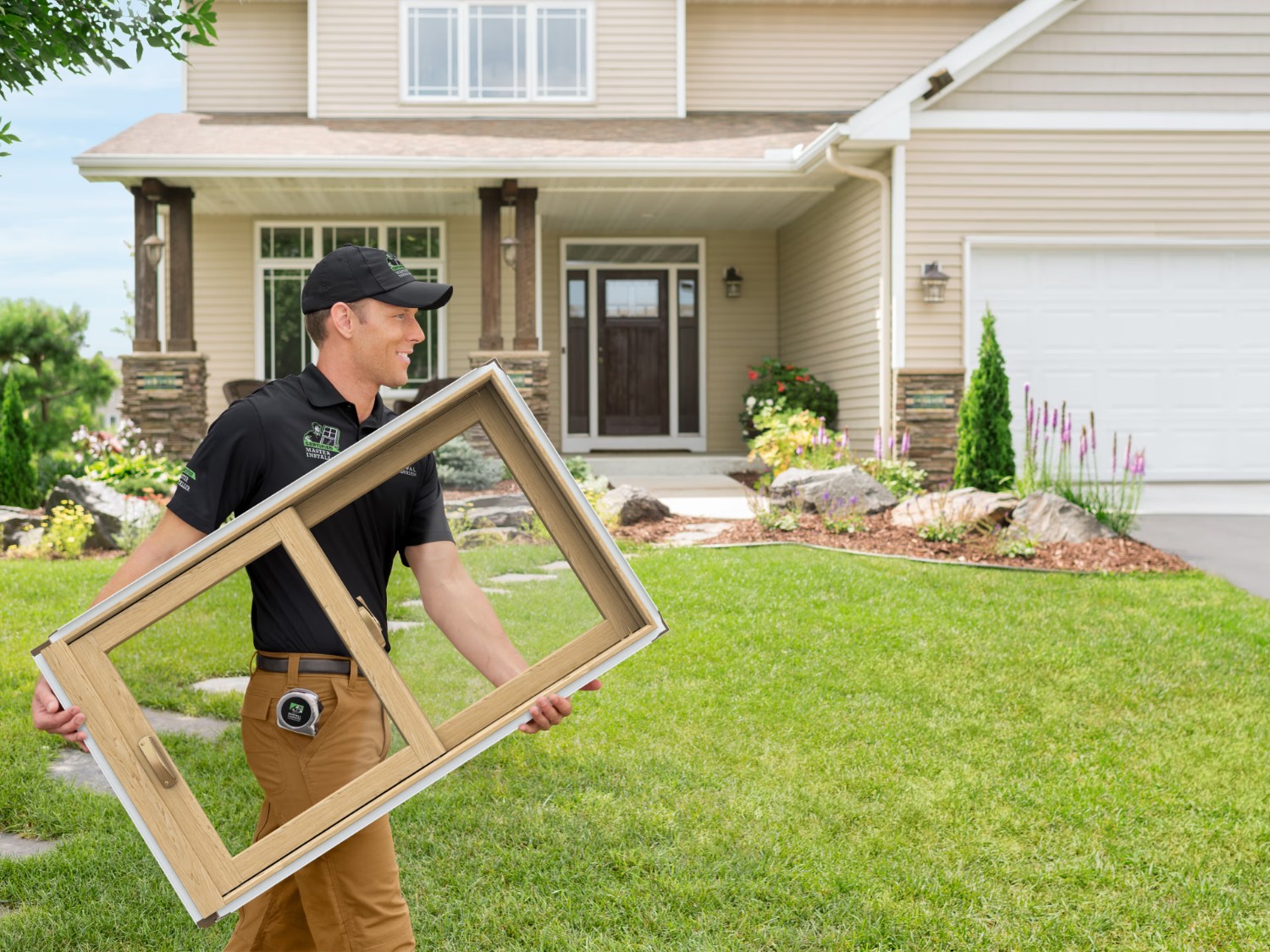
No matter how high-quality your new door is, improper installation can negate its benefits. That’s why it's crucial to have your replacement door installed by trusted professionals. Professional installers make sure your door fits perfectly, operates smoothly, and provides maximum level of security and energy efficiency.
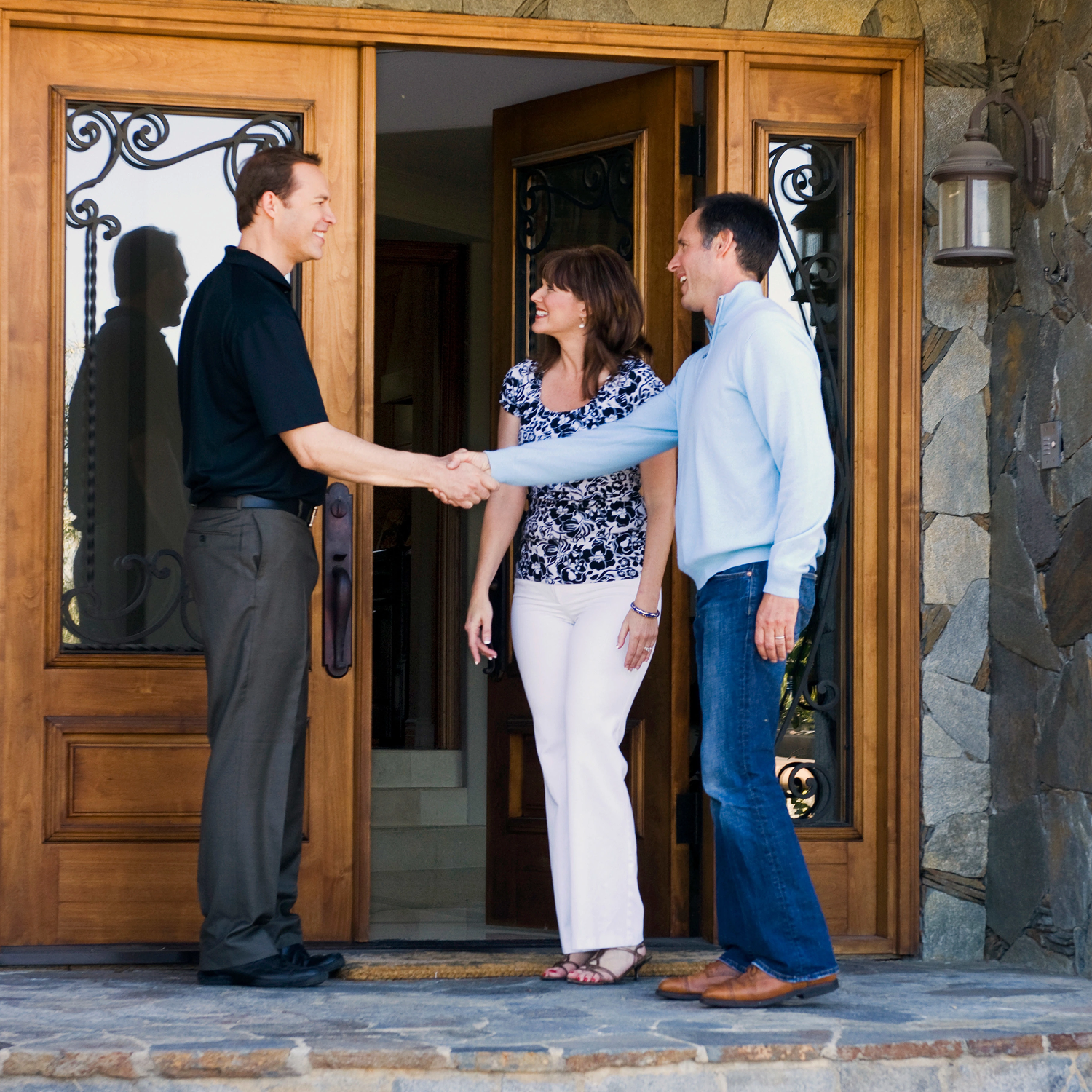
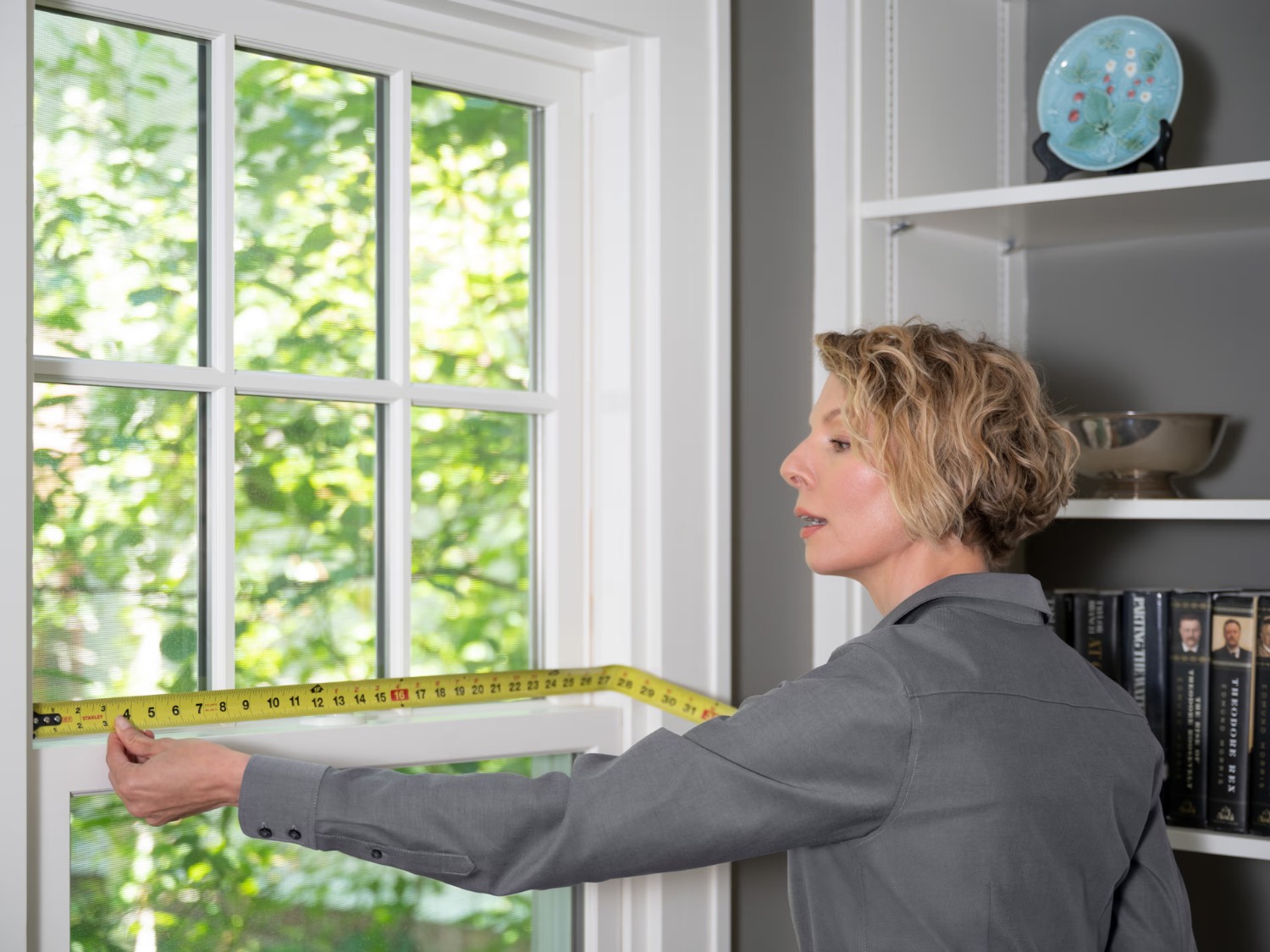
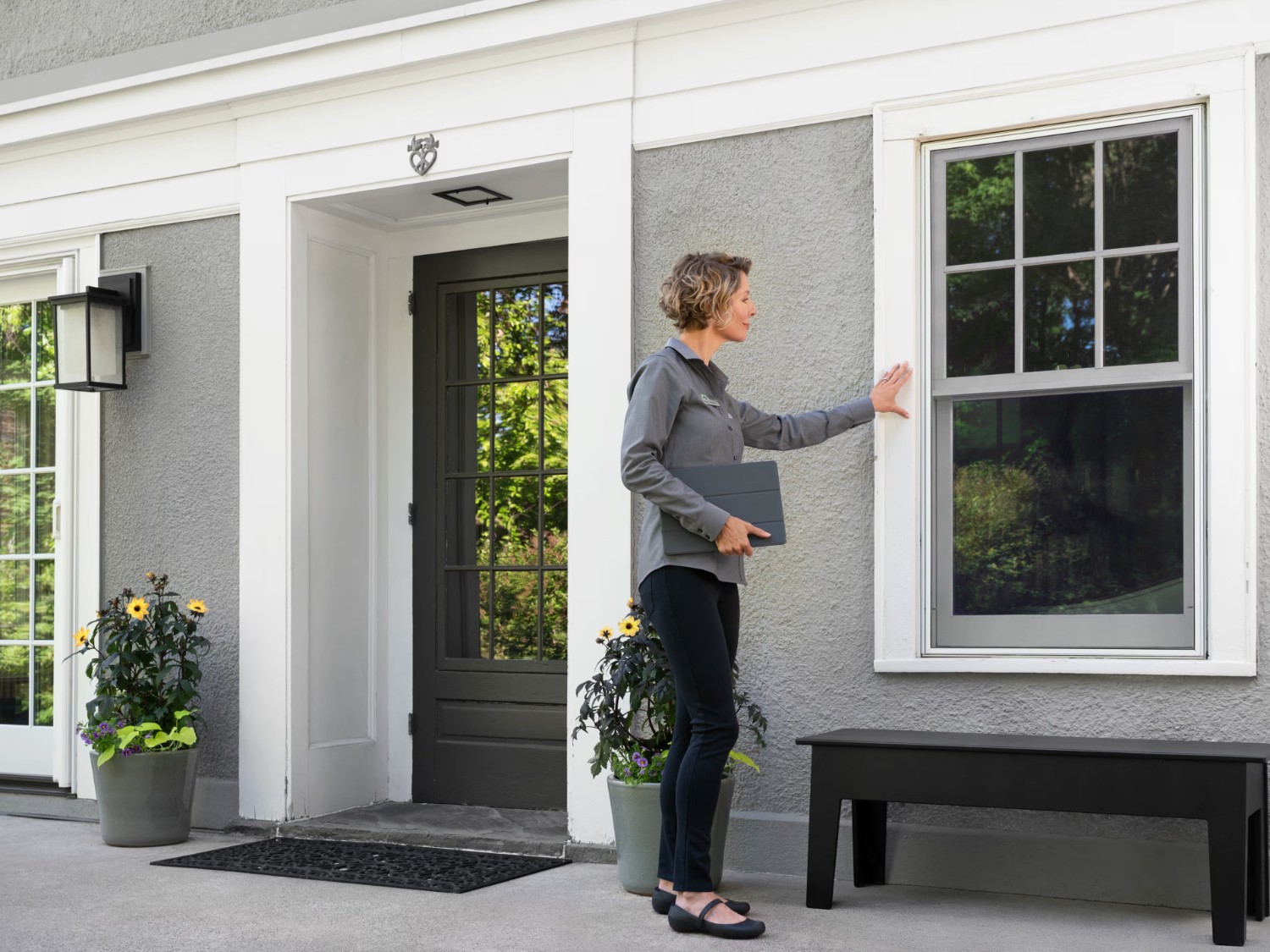
Getting your door replacement done right starts with a consultation with one of our professionals who will walk you through making the right door selection. We then measure for a perfect, custom fit for your home. Next, your door is made to order for your specific measurements and installed by our Certified Master Installers.
Ready to enhance your home with a new replacement door? Schedule a free appointment today and take the first step toward a more beautiful, secure, and energy-efficient home.
*See the Renewal by Andersen limited warranties for details.
Our Hassle-Free Process

Step 1
Design Consultation
Step 2
Measure and Manufacture
Step 3
Installation
Step 4